
|
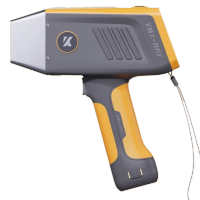
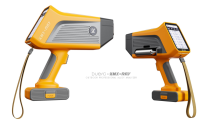
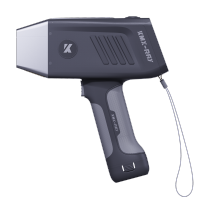
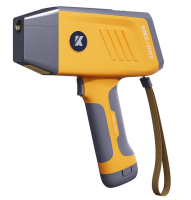
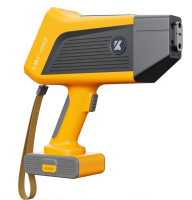
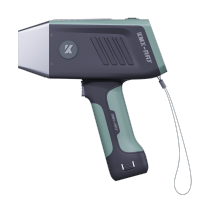
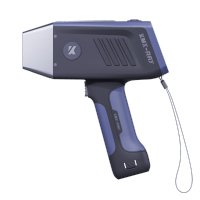
LIBS HandHeld X series handheld laser-induced Breakdown spectrometer
Collect
商品说明
Laser-induced breakdown spectroscopy (LIBS) has become the preferred tool for geochemical analysis outside the traditional laboratory environment in recent years, and can test a wide range of elements. Element measurement range Atomic number Z>=1 (including organic elements such as C, H, O, as well as light elements such as N, Li, Be, B, etc.) And the concentration range of almost all metal and non-metal elements is 10ppm to % (depending on the element and instrument configuration). The analysis time is generally about 20 seconds. The sample form is solid or powder (powder needs to be measured after being pressed into a tablet). Laser-induced breakdown spectrometer is a brand-new analytical method in the field of spectral analysis. Its basic principle is to use a high-energy laser light source to form a high-intensity laser spot (plasma) on the surface of the analyzed material, causing the sample to be excited and emit light. These lights are then analyzed through the spectral system and the detection system. This technology is highly sensitive to the vast majority of inorganic elements in the material. At the same time, it can analyze low-atomic number elements such as hydrogen and sodium elements, which are difficult to analyze using XRF technology. 商品参数
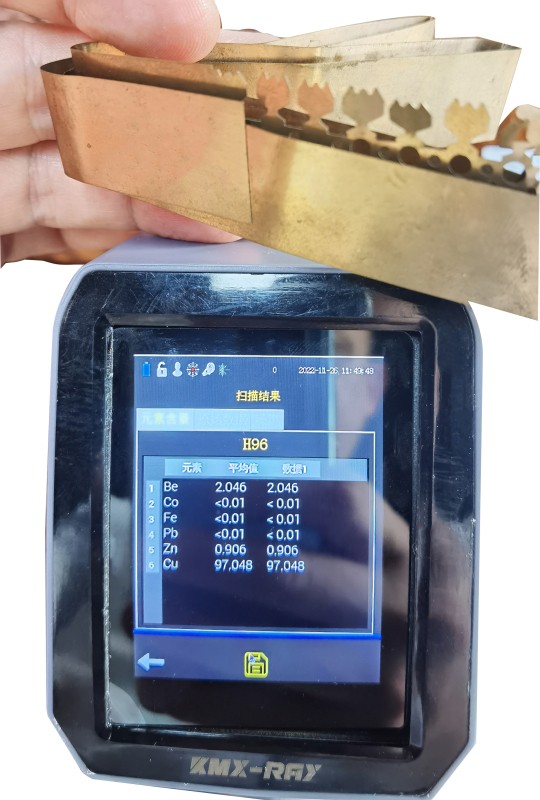
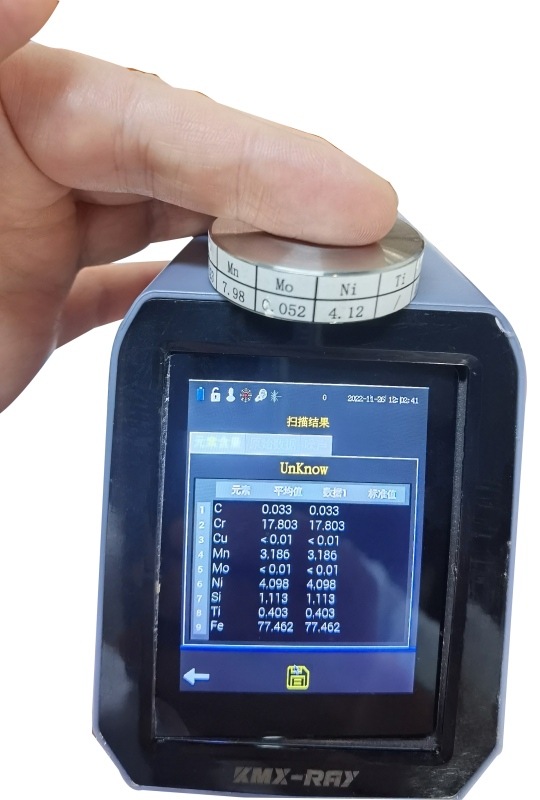
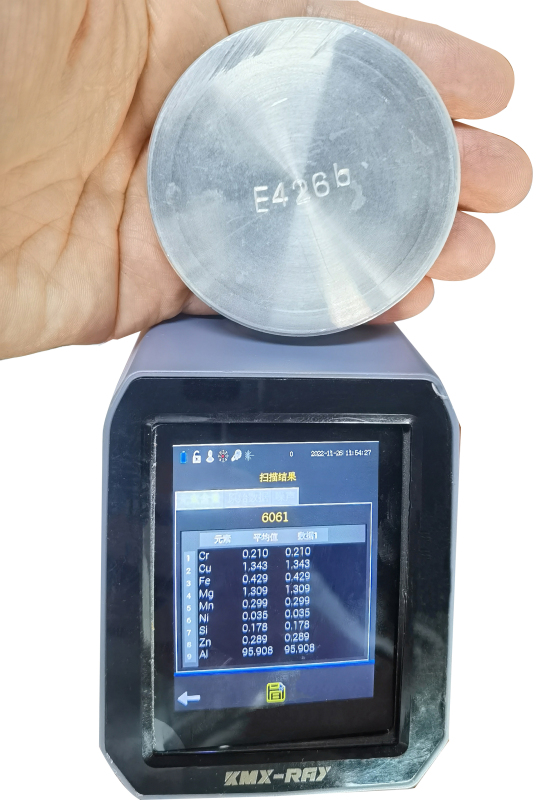
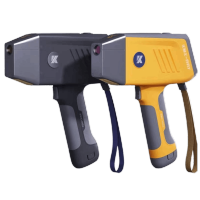
Instrument Characteristics Precise elemental Analysis (LI-U) The standard handheld LIBS laser-induced breakdown spectrometer (LIBS X-1688) is mainly used to test aluminum alloys, beryllium copper and carbon steel. Special handheld LIBS(LIBS X-898), used for measuring lithium in lithium ores, rocks and brine, lithium in pegmatite, clay and mica Intuitive operation The Raspberry PI operating system and APP-based software ensure quality inspection for each operator. It is equipped with built-in WIFI and Bluetooth, and has GPS functionality, allowing users to print, send emails, and connect to almost any information management system to achieve full-featured reports. Automatically merge XRF and LIBS test services, allowing for easy management and operation anywhere. Designed specifically for outdoor and laboratory use KMX-RAY LIBS series handheld analyzer, weighing 1.65 kilograms, with 2 batteries (14.4v) High-resolution rear display screen for easy viewing; Sturdy metal body, maximum durability; A conical narrow nozzle suitable for hard-to-access test sites; Users can replace the argon gas. Each test costs a few cents and can be conducted hundreds of times. Pair with the profile generator software for personal computers or tablets and achieve full desktop functionality. Laser-induced breakdown spectrometer is a brand-new analytical method in the field of spectral analysis. Its basic principle is to use a high-energy laser light source to form a high-intensity laser spot (plasma) on the surface of the analyzed material, causing the sample to be excited and emit light. These lights are then analyzed through the spectral system and the detection system. This technology is highly sensitive to the vast majority of inorganic elements in the material. At the same time, it can analyze low-atomic number elements such as hydrogen and sodium elements, which are difficult to analyze by other techniques. The LIBS HandHeld laser-induced breakdown spectrometer has strong technical advantages:
相关商品
|