
|
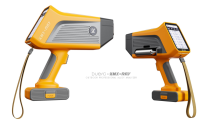
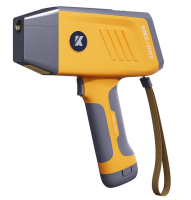
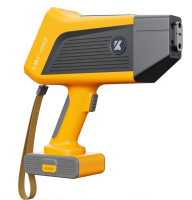
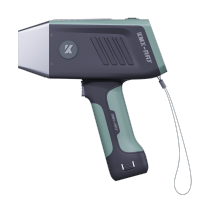
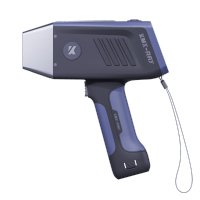
K-980 plus Platinum, Palladium and Rhodium Ternary Catalyst Analyzer
Collect
商品说明
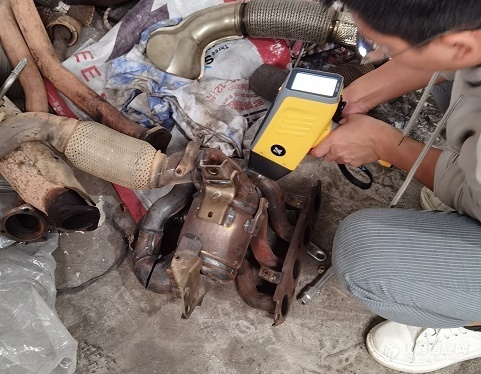
The main precious metal elements in a car catalytic converter include Pt, Rh and Pd, whose function is to purify the vehicle exhaust. Under normal circumstances, if other elements such as Ce and Zr are present in automotive catalysts, the catalytic intensity will be relatively high. Barium can be reduced to nitrogen in a diesel engine. Common types of trucks include Ti and W, etc. The internal ceramic honeycomb structure of the catalytic converter is coated with a carrier coating of Pt, Rh and Pd elements. To enhance the performance of the catalytic converter, other elements can also be added to the coating. In addition to precisely measuring the contents of Pt, Rh and Pd elements, the elemental group of the k-980plus analyzer also contains a variety of other elements that are usually added to carrier coatings. Platinum group elements recovered from automotive catalytic converters account for more than half of the platinum and palladium elements needed in the market, as well as the vast majority of rhodium elements. In addition to precisely measuring the contents of Pt, Rh and Pd elements, the k-980plus test elements also contain a variety of other elements that are usually added to carrier coatings. In addition, it also contains some elements that need to be analyzed to prevent fraud. These elements are those added to the catalyst materials by lawbreakers to increase the value of precious metals through improper means.
Reliable result Before conducting the test, the reference standard samples should be crushed, dried and filtered through a sieve to obtain samples with consistent grain size and uniform texture. Then, the samples should be placed in a cup sealed with a 4 μm Prolene film, and finally the samples in the cup should be tested with an analyzer. To obtain representative and precise results, sample preparation is required. Analyzing only the surface of the ceramic honeycomb structure without preparing samples will lead to misleading results. Thirty samples were analyzed using the K-980plus analyzer, and each test took 30 seconds. The analytical results obtained by all models of the analyzers are highly consistent with the actual situation. Even though the sample contains a large number of other elements, the comparison results still maintain a certain degree of consistency. 商品参数
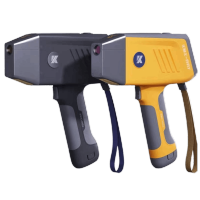
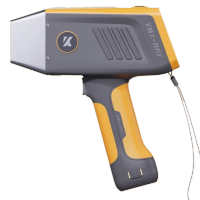
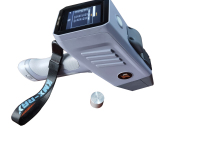
The KMX-RAY K-980 plus handheld three-way catalytic analyzer is lightweight, portable, highly accurate and stable without damage. It can quickly detect the pd content in 3 seconds, the Rh content in 15 seconds and the platinum (Pt) content in 30 seconds. The entire testing process only takes 30 seconds to accurately generate data. The KMX-RAY handheld three-way catalytic analyzer K-980PLU adopts core components such as a high-resolution and high-counting rate SDD detector (with a resolution of up to 129ev from German KETEK), a 50kv variable high-voltage X-ray tube from American MOXTEK, and a Swiss stepper motor. The detection limit of the three-way catalyst: Platinum (Pt) 20ppm, palladium (Pd) 10ppm, Rhodium (Rh) 10ppm. For the specific parameters of the economical si-pin configuration k-980, please consult by phone. The handheld three-way catalytic converter analyzer is a rapid, effective and low-cost elemental analysis method. It can detect various metal elements such as platinum, rhodium and palladium in automotive catalysts in an extremely short time, providing a rapid and simple detection method for practitioners in the precious metal recycling of automotive catalysts. The handheld three-way catalytic analyzer can quickly analyze multiple elements such as magnesium and uranium, with detection results ranging from parts per million to 100%. This analyzer is extremely sturdy and durable, and can work normally in harsh environments. Analyze elements and patterns Soil Model (Mg-U) Standard configuration mode analysis range. If there are special elements, additional ones can be added Three-way catalytic analysis mode Three standard elements, namely Pt, Pd, Rh, and ternary carrier elements (Ce, Zr, Ba, Ni, Se, Ta, Pb, Ti, W) Technical Specifications of KMX-RAY k-980plus 1.Detector: German KETEK ultra-large area SDD detector (resolution lower than 129ev), Peltier effect semiconductor cooling system, capable of simultaneously recording analysis data and spectra 2. Excitation source: American Moxtek high-power miniature X-ray tube, W target material, 4W high-power X-ray tube, variable voltage tube voltage 50KV, tube current up to 200μA 3. Filters: Equipped with 8 filters, the Swiss stepper motor can automatically switch according to the test elements 4. Standard plate: Swiss motor, built-in 316 standard plate/window protection cover 5. Calculation method: Multiple calculation methods such as Alloy KMX 8.0 and FP-EC. The instrument has been calibrated before leaving the factory. The instrument is equipped with the function of establishing targeted calibration curves and is suitable for precise testing of specific samples. 6. Computer processor and operating software: Windows CE6.0 system (the latest version), high-resolution TFT industrial-grade color high-definition touch screen, ergonomic, sturdy, dust-proof, water-proof, and clearly visible under any lighting conditions 7. Heat Dissipation: The application of large-area aluminum alloy and silicone rubber to the human body provides a heat dissipation area that is 1/3 larger than that of its peers. The integrated body design is sturdy, waterproof, dustproof, frost-proof and shock-proof, and can be used normally in harsh environments. 8. Data display: Elements can be adjusted in the order of display or whether to display them according to the test requirements. 9. Data export: One method is to directly export data through storage devices such as SD cards or USB flash drives. One way is to export the data through PC software; 10. Data format: pdf or Excel format, including element content, spectra, images, etc., and multiple templates are available for selection. 11. Data transmission: MicroSD card, USB, etc. k-980plus configuration 1. One instrument 2. One box 3. Two batteries 4. One charger 5. One copy of the paper instruction manual 6. One 316-degree circular disc 7. One anti-drop wristband 8. One USB flash drive for software data backup 9. Five window films
相关商品
|