
|
How many types of gold do you know to distinguish the authenticity of?Common methods for detecting the authenticity and purity of gold in daily life: 1. Bite with teeth?
It is often said that "when real gold is bitten with teeth, it will leave a faint mark. This is because gold has good ductility and is a bit soft. Impure gold is hard and cannot be bitten through." This method of testing the fineness of gold is quite common in daily life and TV dramas. It is known that the Mohs hardness of human teeth is 6, the relative Mohs hardness of gold and silver is 2.53, pure copper is 3, and iron is 4. The hardness of many metal materials is relatively low, and obvious bite marks will be left when bitten with teeth. Therefore, there is no scientific basis for distinguishing which is gold and which is not by biting with teeth. 2. Use fire?
The melting point of gold is approximately 1064 degrees Celsius. When the flame reaches or exceeds this temperature, gold will turn into a liquid state. The original meaning of "True gold fears no fire" is that pure gold will not oxidize at high temperatures, and neither its color nor weight will change in any way. If it is not pure gold, after being burned, both its color and weight will change. There is scientific basis for identifying genuine gold by burning it. However, for ordinary consumers, experts do not advocate this method because burning gold at a temperature of over a thousand degrees is rather dangerous. Therefore, this method is not the best way to distinguish between genuine and fake gold. 3. Look at the color?
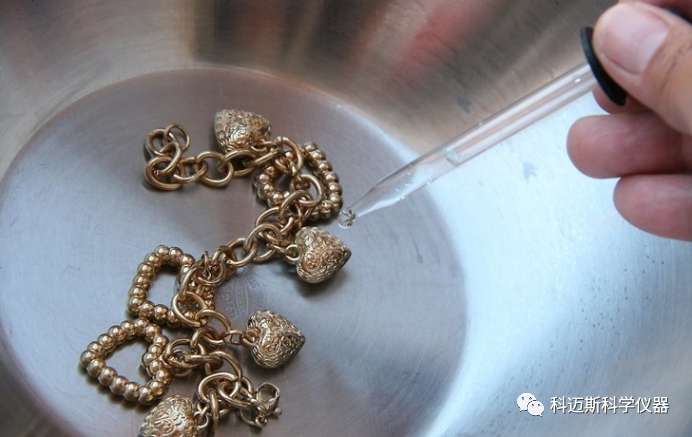
Draw some gold streaks on the touchstone and then drop nitric acid on it. If there is no change in the gold streaks, it is real gold because gold is insoluble in nitric acid. Experts say that golden yellow is an inherent physical property of gold. Without analysis and testing, it is not feasible to distinguish authenticity merely by looking at the color with the naked eye. Because gold can be added with other elements to change its color, this identification method has no scientific basis. 4. Can the magnet suck it?
If there are impurities in the gold jewelry, use a magnet to suck it up. If it can be lifted up, it indicates that the gold has impurities. Recently, this method of identifying gold has begun to be widely circulated online. Only three metals, Fe, Co and Ni, can be attracted by the magnet. Therefore, if other substances are added to the gold jewelry, then the detection method of the magnet is out of the question. 5. Weigh it?
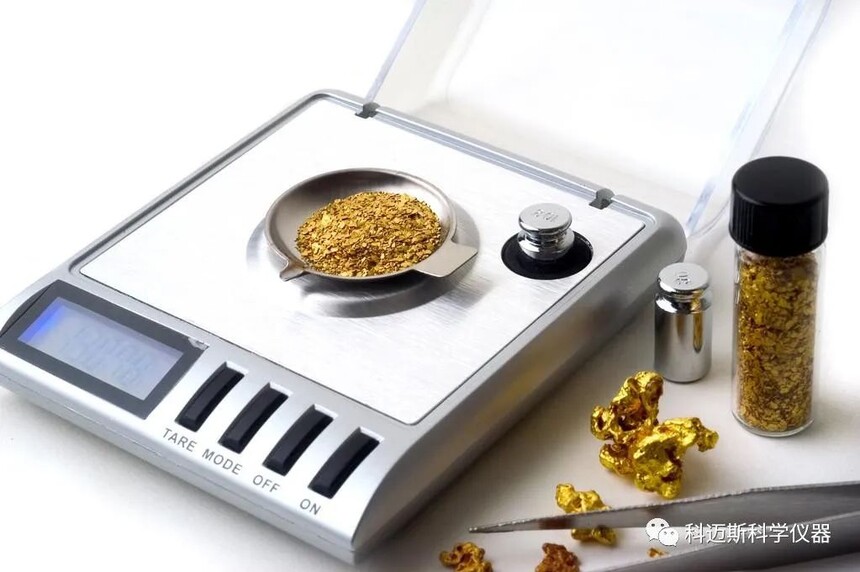
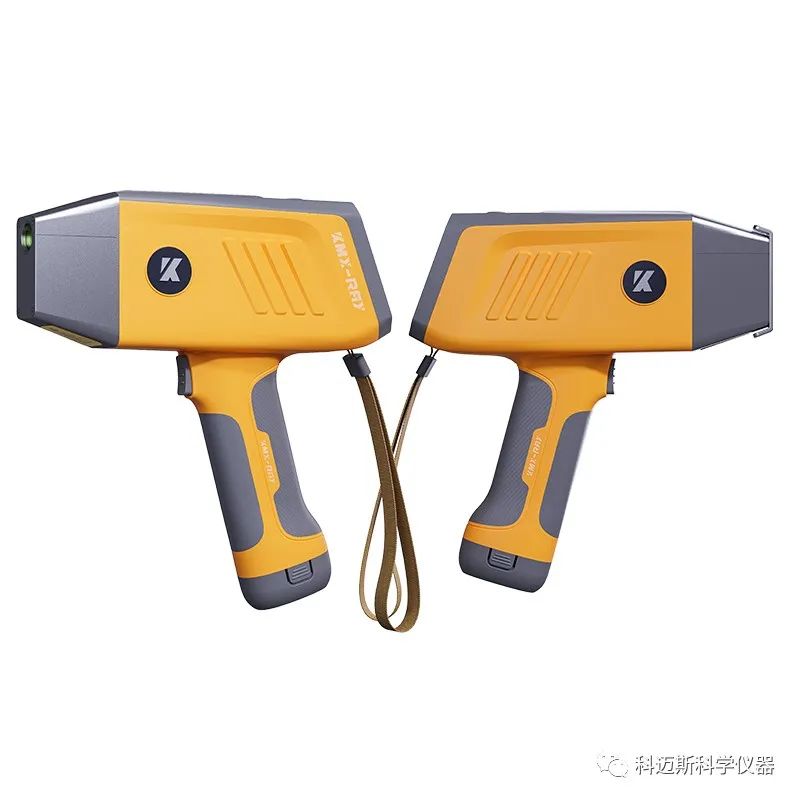
Weigh it. Is it true that the heavier the better? The specific gravity of gold is approximately 19.32 grams per cubic centimeter, and that of silver is about 10.5 grams per cubic centimeter. If both of these materials weigh 1 kilogram, the volume of silver will be about twice that of gold, but the density of gold is higher. Experts say that weighing gold requires many prerequisite conditions. For instance, the volume, appearance and shape of gold jewelry should be similar. Weighing also requires certain experience, such as people who come into contact with gold products every day. Therefore, it is still not feasible to distinguish authenticity by weighing. The common inspection methods in our daily life are all unreliable. So, what method is reliable? 1.The density measurement method is simple and feasible It is known that the density of gold at normal temperature is 19.26 grams to 19.37 grams per cubic centimeter. Therefore, a certain amount of water can be poured into a high-precision measuring cup, and then the gold bar can be placed in the water to measure the volume of the new water. By subtracting the two, the volume of the gold bar can be known, and then the density of the gold bar can be obtained. If this density is within the standard value, then the possibility of the gold bar having a high fineness is relatively large; otherwise, it may be adulterated. Ordinary detection can adopt the density measurement method, which is relatively simple and feasible and can rule out some adulterated gold. This method can rule out most adulterated gold, but if adulterated gold is strictly proportioned and other metals are added, it cannot be distinguished. For instance, iridium and tungsten have a specific gravity similar to that of gold, and it is impossible to distinguish them merely by weighing or measuring their density. 2. Spectral analysis It is reported that X-ray fluorescence spectrometry is currently a relatively advanced and scientific method for detecting the authenticity and purity of gold. It is a non-destructive analysis technology that can identify and determine the presence of various elements within a few seconds, with high analysis accuracy. The detection of the KMX-RAY handheld alloy analyzer is extremely fast, providing test results within a few seconds. It is highly suitable for daily testing. The non-destructive testing method also makes the instrument more popular, helping gold sellers set more accurate and reasonable prices, analyze the composition of gold, identify impurities, conduct on-site appraisals, and store test results for subsequent verification. It can also verify the gold content in scrap metals, improve the utilization rate of waste, and create higher value. The application of analyzing precious metals including gold, platinum, silver and rhodium has very high requirements for the accuracy and confidence of the results. However, the KMX-RAY alloy analyzer can provide accurate measurement values of these elements on site immediately. The KMX-RAY handheld XRF analyzer not only demonstrates outstanding flexibility and accuracy in the field of precious metal analysis, but also shows unparalleled advantages in many specific application scenarios. It can quickly and accurately detect various precious metal components in jewelry, such as gold, platinum, silver, etc., as well as the types and purity of various gemstones. Not only that, but also the recycling of automotive catalysts can be carried out: XRF analyzers can accurately analyze the precious metal components in automotive catalysts, such as platinum and palladium, which is crucial for the recycling and reuse of these valuable resources. The high efficiency and portability of the KMX-RAY XRF analyzer enable this process to be carried out at any location, thereby improving the recovery efficiency and accuracy. The KMX-RAY handheld XRF analyzer, with its outstanding performance and wide applicability, has undoubtedly become a wonder in the field of precious metal analysis. No matter what your needs are, the KMX-RAY analyzer can provide the most accurate and convenient solutions.
|