
|
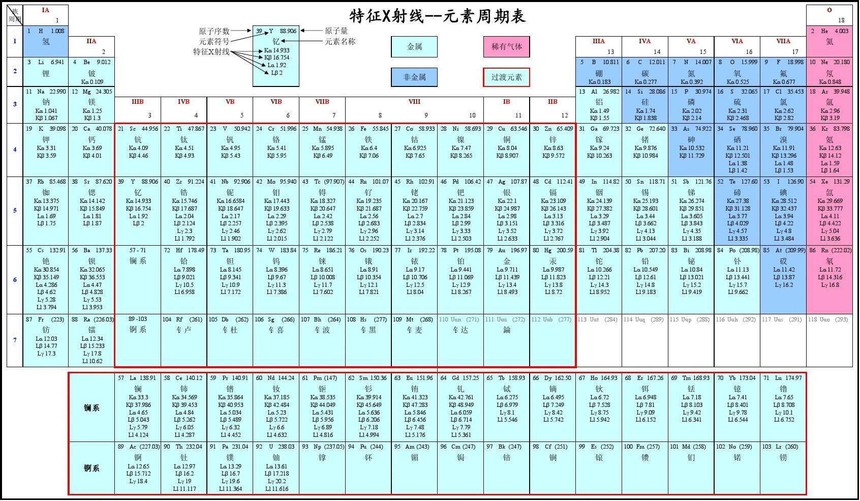
The limitations of the testing range of handheld spectrometersWhen enterprises go out to purchase metal materials, they often use handheld spectrometers. When purchasing, one can know whether the quality of metal materials meets the product requirements of the enterprise. However, handheld spectrometers cannot detect all elements and also have limitations. Now, KMX-RAY will take you to take a look at the limitations that need to be noted when using handheld spectrometers. 1.The detection limit will not be low to the level of laboratory results, and not all elements can be detected. For instance, handheld spectrometers cannot detect non-metallic elements such as carbon (C), hydrogen (H), oxygen (O), nitrogen (N), and boron (B) in metals, as well as metallic elements like lithium (Li), beryllium (Be), and sodium (Na). In addition, the elements with poor test results include silicon (Si), aluminium (Al), magnesium (Mg), sulfur (S), and phosphorus (P).
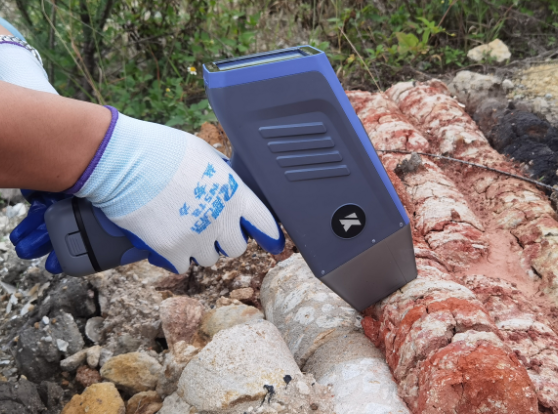
2. Method Certification: Currently, according to JORC, NI 43-101 specifications and some other legal reporting specifications, the data generated by handheld spectrometers cannot be used in resource assessment calculations. However, these data can be effectively used for reporting exploration results, controlling mineral sample positions, and many other purposes. 3. The handheld spectrometer generates data about elements rather than compounds or oxides. However, if one has a thorough understanding of the phase states, these data can be converted into oxide forms. For instance, iron (Fe) can be transformed into Fe2O3. 4.XRF analyzers generate X-rays, so radiation safety protocols should be adhered to. If used correctly, the XRF analyzer will be very safe. The phenomenon of XRF spectrum overlap may cause the analyzer to make incorrect judgments about the presence or absence of elements. This is only a physical influence. For example, gold (Au) is affected by zinc (Zn) and arsenic (As), while cobalt (Co) is affected by iron (Fe). 6. The XRF results can be affected by the sample itself. Factors such as the sample container/presentation method, the film used, grain size, sample moisture, heterogeneity, and sample matrix all affect the test results.
|