
|
Unveiling the Handheld XRF Spectrometer: The True PMI Magic ToolIn the fields of materials science and industrial inspection, material reliability identification (PMI) is a very important task. Incorrect material selection or the use of substandard materials may lead to serious consequences, such as system performance degradation, equipment damage, and even safety accidents. Therefore, enterprises urgently need to find a material identification tool that is both fast and accurate, and highly reliable. In recent years, handheld X-ray fluorescence spectrometers (XRF) have emerged as new stars in the PMI field due to their unique advantages.
The most distinctive feature of handheld XRF is its ability to start up quickly and achieve real-time analysis. Compared with traditional material identification methods such as chemical analysis or microscopic observation, XRF spectrometers can complete sample analysis in just a few seconds, greatly improving work efficiency. In an emergency, it can quickly get into working condition and provide timely assistance for material identification. In addition, handheld XRF can also quickly obtain accurate analysis results. The instrument employs X-ray fluorescence spectroscopy technology to generate fluorescence by exciting the atoms in the sample, thereby obtaining the elemental composition and structural information of the sample. This technology features non-destructiveness, high precision and multi-functionality, enabling it to conduct precise elemental and chemical analyses of various materials.
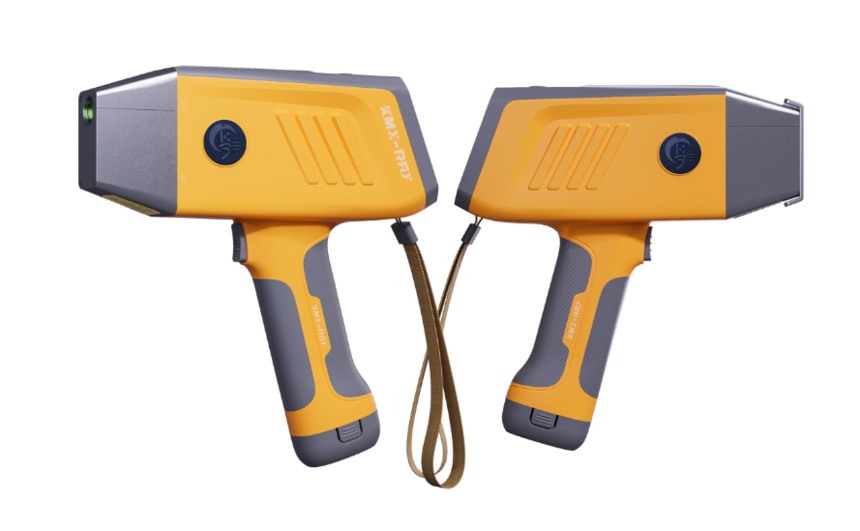
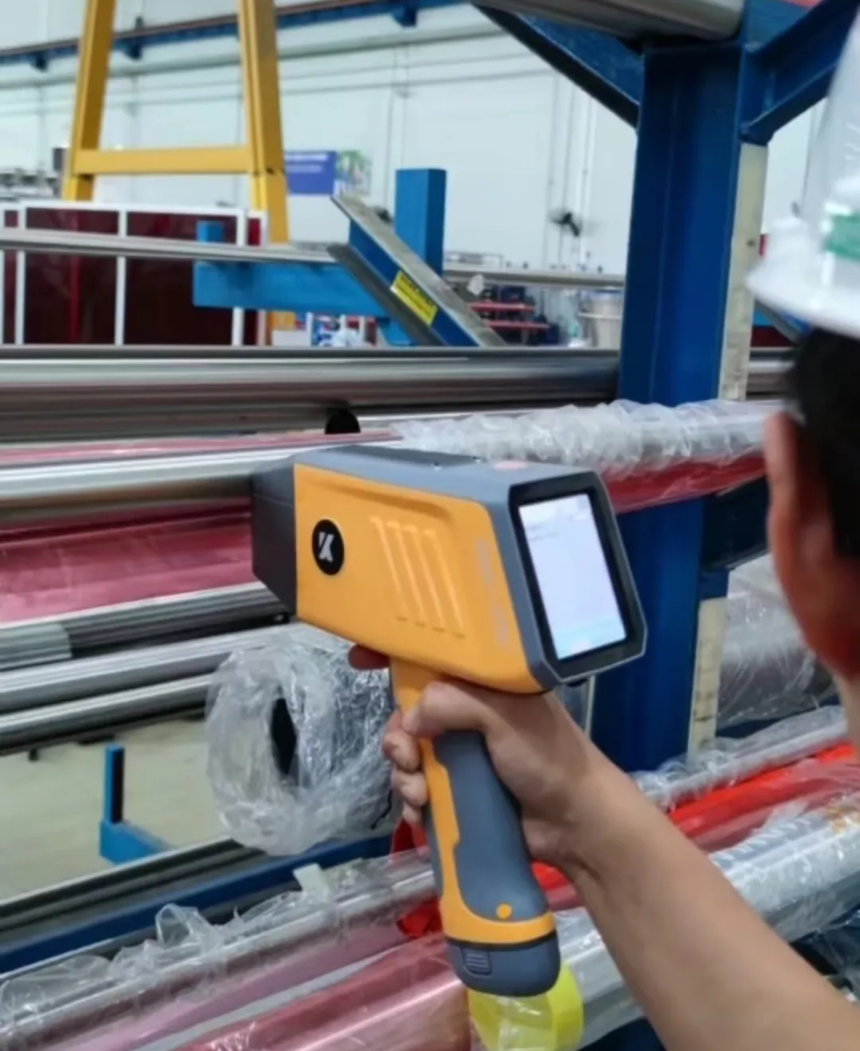
In practical applications, handheld XRF can quickly identify the composition and structure of various materials such as metals, non-metals, alloys, ceramics and glass. Whether in industries such as metal processing, building materials, chemical engineering, environmental protection, or food and medicine, handheld spectrometers can provide accurate and reliable analysis data. The stability of the KMX-RAY handheld spectrometer is also one of its major highlights. The instrument is manufactured with cutting-edge technology and high-quality materials, featuring stable performance and a long service life. In addition, the instrument also features outstanding adaptability and anti-interference capabilities, enabling precise material identification in various complex environments. During the detection process, the handheld XRF can also perform non-destructive analysis, eliminating the need for destructive sampling or processing of the sample, thus maximizing the protection of the integrity of the tested material. This characteristic is particularly important especially for precious samples or situations where sampling is impossible. The KMX-RAY handheld XRF not only has many of the above advantages, but also is simple to operate, convenient and practical. The instrument adopts a portable design, being small in size and light in weight, making it easy to carry and move. It is also equipped with an intuitive and easy-to-understand user interface and detailed operation guides, allowing users to master it easily without professional training. |