
|
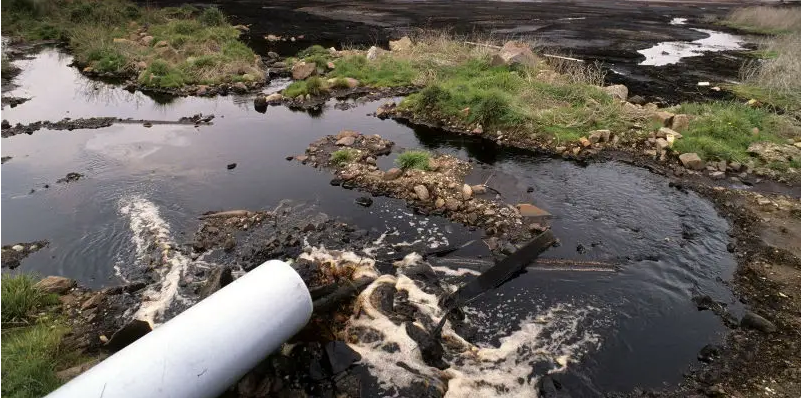
The handheld X-ray fluorescence soil heavy metal analyzer is used for soil detection and remediationThe term "heavy metal pollution" is no stranger to everyone. Heavy metal pollution refers to environmental pollution caused by heavy metals or their compounds. There have been many accidents due to excessive heavy metals in recent years. For example, Minamata disease in Japan was caused by mercury pollution. The degree of harm depends on the concentration and chemical form of heavy metals present in the environment, food and organisms. Heavy metal pollution is mainly manifested in water pollution, and a part of it also occurs in the atmosphere and solid waste. The original meaning of heavy metals refers to metals with a specific gravity greater than 5 (metals with a density greater than 4.5 grams per cubic centimeter), including gold, silver, copper, iron, lead, etc. Heavy metal pollution is different from pollution caused by other organic compounds. Many organic compounds can be purified by nature itself through physical, chemical or biological means, reducing or eliminating their harmfulness. Heavy metals are accumulative and difficult to degrade in the environment.
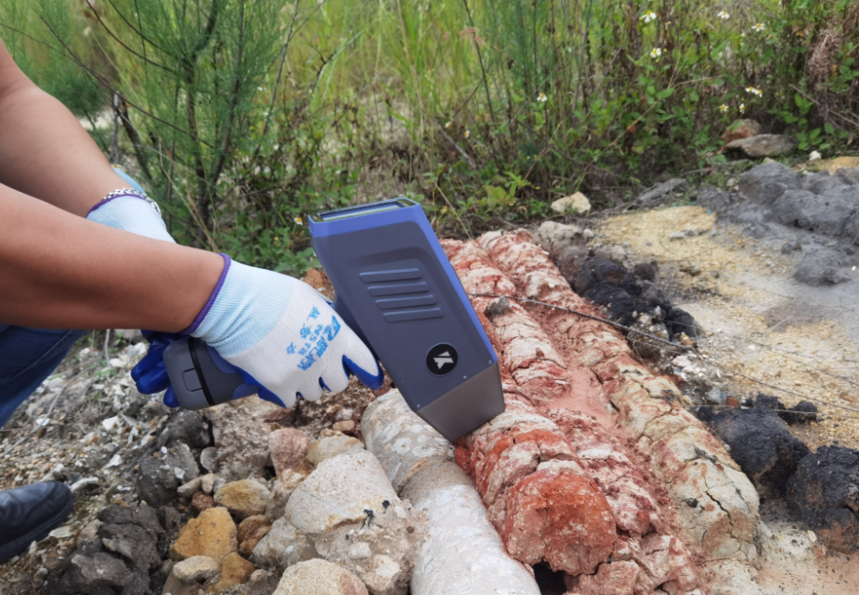
At present, in China, due to the mining, smelting and processing of heavy metals, a considerable amount of heavy metals such as lead, mercury, cadmium and cobalt have entered the atmosphere, water and soil, causing serious environmental pollution. Even if the concentration of heavy metals discharged with wastewater is low, they can accumulate in algae and sediment, be adsorbed on the surface of fish and shellfish, cause concentration in the food chain, and thus lead to public hazards. According to research, the sources of heavy metal pollution are mainly concentrated in industries, agriculture and cities, etc. In the industrial sector, it mainly comes from major production links such as mining, smelting, processing and transportation, and the heavy metal pollution caused thereby is very serious. In the agricultural production process, the wastewater mainly from heavy metals is used for farmland irrigation, which will cause very serious pollution to the soil and also affect the yield of crops. The main sources of heavy metal pollution in cities come from the failure of sewage treatment plants to treat sludge in a timely manner, or the use of leaded gasoline, etc. Heavy metal pollution in soil: Heavy metals in soil have a wide range of sources and many causes. Heavy metal elements cannot be degraded by microorganisms in the soil, but they can enter the human and animal bodies through the food chain and gradually accumulate, forming a biological amplification effect and endangering human health. In addition, heavy metal elements can seep into groundwater along with surface water bodies, forming another source of pollution. In addition, there are pesticides, chemical fertilizers and plastic films. The types and contents of heavy metals contained in each type of chemical fertilizer and pesticide are different. For example, superphosphate is rich in heavy metal elements such as Zn, Cu, Cd and Pb, and its content is higher than that of potassium fertilizer, nitrogen fertilizer and compound fertilizer. During the process of crop production, improper application of pesticides, insecticides or chemical fertilizers containing lead, mercury, arsenic, etc. will all cause pollution of heavy metals in the soil. Agricultural plastic films use heat stabilizers containing two heavy metal elements, Cd and Pb. This means that the excessive use of agricultural plastic films in agricultural production can also cause heavy metal pollution in the soil. Secondly, heavy metal deposition in the atmosphere: Our industrial and agricultural activities, transportation, etc., all form harmful suspended solids rich in heavy metals, thereby increasing the pollutants in the atmosphere. According to statistics, the content of heavy metal elements such as Pb, Cd, Cr, Zn and Cu in the air pollutants near industrial and mining enterprises and on both sides of the roads is relatively high. Most of them enter the soil through natural sedimentation and atmospheric sedimentation, thereby causing heavy metal pollution in the soil. This type of pollution often shows the characteristic that the farther away from the city, the lower the pollution. As for the city itself, the denser the population, the more developed the industry, the higher the degree of land use and the more motor vehicles there are, the more serious the heavy metal pollution will be. Furthermore, sewage irrigation: Sewage irrigation refers to the process of treating sewage generated in daily life, commercial and industrial activities to a certain extent and then using it for the irrigation of farmland, forests or grasslands. Due to the shortage of water resources, approximately 1.4×10⁴ square kilometers of land in our country is irrigated with sewage. As a result, the area of soil contaminated by heavy metals exceeds 60% of the total polluted area. In recent years, with the acceleration of urbanization and industrialization, industrial wastewater has been increasing continuously. These wastewaters often contain a considerable amount of heavy metal elements. Once they are discharged from the working area without proper purification, the heavy metal ions in them will enter the soil through rivers, further causing or exacerbating heavy metal pollution in the soil. The KMX-RAY K-500 handheld heavy metal analyzer is an important tool for screening soil and other materials to detect contaminated heavy metals. The KMX-RAY analyzer can quickly obtain decisive results in site characterization, environmental assessment, property assessment and pollutant tracking. The K-500 handheld soil heavy metal analyzer can detect dangerous high-content elements, pollutants that need to be prioritized, and hazardous metals as stipulated in the RCRA (Resources Conservation and Restoration Act) within seconds.
The KMX-RAY K-500 handheld analyzer can be used for compliance testing in accordance with the following methods or procedures: •EPA 6200 (Method 6200 of the United States Environmental Protection Agency) • ISO/DIS13196 (International Organization for Standardization/Draft International Standard 13196) • Various Sops (Standard Operating Procedures) The sample filtering analysis method described in the NIOSH or OSHA approach • Surface screening analysis method 1.Portable and sturdy, it is used to complete large-scale and high-density sampling in the field, maximizing the efficiency of analysis in the field The KMX-RAY K-500 analyzer is an ideal tool for measuring contaminated metals that require priority detection and metals restricted by the Resources Conservation and Restoration Act (RCRA). The contaminated metals that need to be detected with priority include Ag, As, Cd, Cr, Cu, Hg, Ni, Pb, Se, Tl and Zn. The metals restricted under the Resources Conservation and Restoration Act (RCRA) include Ag, As, Ba, Cd, Cr, Hg, Pb and Se. Due to the fact that the Vanta analyzer has almost no requirements for sample preparation, it has become an ideal tool for screening large areas and analyzing samples such as bagged soil, sediments, cores, fluids, dust particles, surfaces and filters. 2. K-500 handheld XRF: Through optimization, it can complete environmental assessment applications The KMX-RAY K-500 handheld analyzer can quickly obtain the required test results for applications such as site characterization, property assessment, pollutant tracking, hazardous waste screening, treatment monitoring and compliance testing. Quickly and easily identify various pollutants, including: • Lead (Pb) • Arsenic (As) • Mercury (Hg) • Chromium (Cr) 3. Effectively complete soil screening work and save funds In site qualitative applications, the K-500 analyzer can measure the elemental content in soil and sediments, which is conducive to the efficient completion of soil screening as a part of EPA Method 6200. The KMX-RAY K-500 handheld XRF analyzer can detect various types of samples, including in-situ soil, bagged soil and fully prepared soil samples. The K-500 analyzer is a highly cost-effective and powerful tool for quickly completing site qualitative applications. Its ability to identify soil chemical components on-site means that users can gain a deeper understanding of the site, pre-screen samples, select priority samples for analysis conducted in the laboratory, reduce the work of transporting samples to laboratories outside the site, thereby enabling a more reasonable budget for analysis funds and also. 4. Academic research and education in environmental protection-related fields The K-500 analyzer is helpful for conducting experiments in laboratories on university campuses, supports undergraduate and graduate students in completing scientific research projects, and in daily teaching activities, assists teachers of environmental protection-related majors in fulfilling teaching tasks.
|