
|
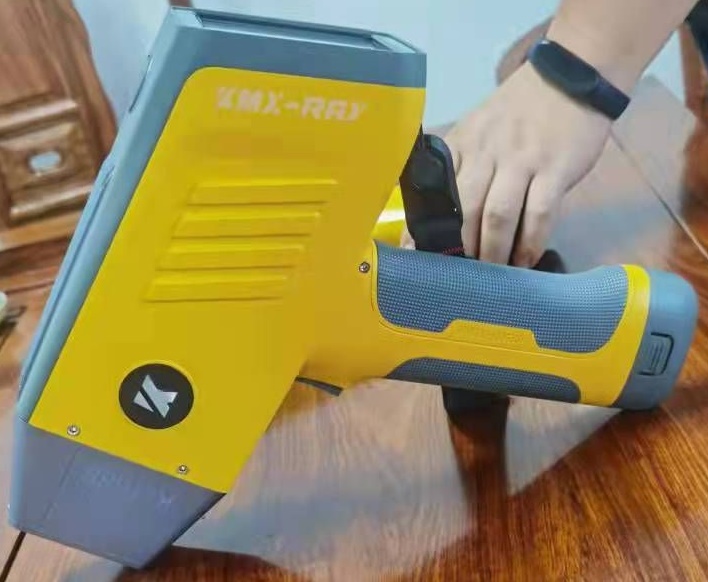
Precautions for the use, transportation and storage of handheld spectrometersI. Matters needing attention during the use, transportation and storage of handheld spectrometers such as KMX-RAY K Series handheld alloy analyzers, ore analyzers, ROHS detectors, and handheld soil heavy metal detectors:
1.Handheld spectrometers should be handled with care to avoid external impacts and drops 2. Pay attention to protecting the film of the detection window to prevent it from being punctured and damaged 3.After the work is completed and the handheld spectrometer is turned off, if it is not going to be used for a long time, the battery should be removed 4. The handheld spectrometer should be placed in the rubber carrying case provided and stored in a dry and cool environment 5. The display screen can be directly touched with fingers. Do not touch the display screen with sharp objects to avoid scratching it 6. Do not touch the screen with excessive force or force, and avoid external impacts Ii. Protective measures for the detector 1.The detector is located within the detection window 2. The detector is a vulnerable component 3. No object is allowed to be inserted into the interior of the detection window 4. Once the window film is damaged, work should be stopped immediately and the film replaced in time to prevent dust and other impurities from entering the window Iii. X-ray Protection 1.This handheld spectrometer is a handheld X-ray fluorescence spectrometer for analysis. It generates X-ray radiation when testing samples 2. The X-ray radiation from this handheld spectrometer is extremely weak and has almost no impact on the human body 3.However, it is still necessary to pay attention to protecting against X-ray radiation 4.When using a handheld spectrometer to test samples, keep your body and all parts away from the detection window 5.Under no circumstances should samples be held by hand for testing, let alone held by hand for testing.
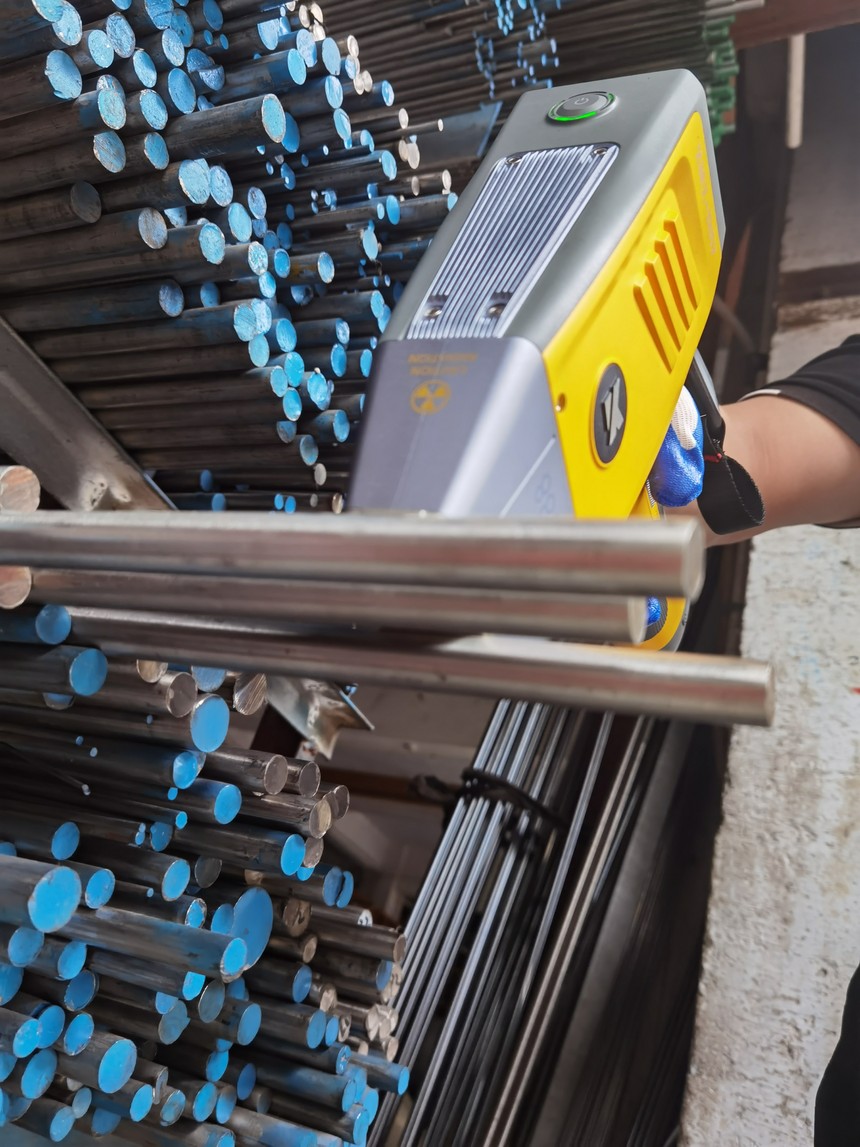
Iv. Sample Processing 1.The sample to be analyzed should be uniform and pure, without any coating, plating or oxide layer to avoid interference. 2. The test surface of the sample should be flat and smooth. Uneven surfaces will affect the accuracy of the analysis results. 3. The detection window and the sample should be at zero distance and there should be no gap. When analyzing samples, the handheld spectrometer and the sample should be kept stable and not shaken. When analyzing smaller and thinner samples, it is important to ensure that there are no other objects behind them to prevent interference. For large metal samples, several points should be selected and multiple measurements should be conducted to obtain more accurate results.
|